
(PS This post had been sitting in my drafts for almost five years, but I’m finally publishing it! Please enjoy reading about one of my favorite cuisines ever: Polish food!)
Poland is a country in Central Europe which, up until the late 20th century, had been a satellite state of the USSR. Due to its history with the USSR (and even prior to that), Polish cuisine shares many similarities with its neighbors like Hungary, Czechia, Ukraine, and even Russia. You’ll find a lot of same dishes throughout the region, hearty meals which are served during religious holidays like Easter and Christmas.
I absolutely love Polish food: simple, but filling, it’s one of those cuisines that uses the ingredients available to them, especially in colder climates. It’s rich in meat, potatoes, and cream, yet also contains a few herbs like marjoram and bay leaf for added flavor. As I wrote, many of these dishes are prepared for religious events (including weddings and holidays), which are a big part of Polish culture, as over 70% of the population are Roman Catholic.
That said, here are the top-10 Polish dishes I would recommend to anyone to try. This is by no means a comprehensive list of all Polish dishes out there, but it’s a solid list as a way to get acquainted with the cuisine. Enjoy!
Top 10 Polish Dishes You Need to Try
1. Pierogi

The most well-known dish outside of Poland, pierogies are simple but tasty dumplings with sweet or savory fillings. They are similar to other dumplings found throughout Central and Eastern Europe, with varying names like varenyky (Russia and Ukraine) or pirohy (Slovakia). Sweet pierogies are often filled with berries and served with fruit compote, whereas savory ones are topped with sour cream. I especially love potato-cheese or sauerkraut pierogies, and I could eat dozens of them!
2. Gołąbki

One of my all-time favorite Polish dishes, gołąbki is a cabbage roll filled with meat and bulgur wheat, then topped with tomato sauce. Traditionally, gołąbki are served during festivities like weddings and family reunions (especially among the Polish diaspora). It’s hearty and the ultimate comfort food, something to have during the cold winter months. Whenever I visit Poland (or a Polish restaurant), I always have to order gołąbki, no matter what time of the year it is!
3. Flaki

Tripe is an acquired taste, but I personally love it. Flaki is essentially tripe soup, infused with spices and herbs like bay leaf, marjoram, and nutmeg. It’s often prepared with beef tripe, although pork and, more rarely, fowl tripe, are used. Flaki is comforting and aromatic, and I find it has almost a medicinal quality to it, like chicken noodle soup to cure sickness and hangovers. With the chewy bite of the tripe, flaki is another dish I always have to order whenever I’m visiting Poland.
4. Oscypek
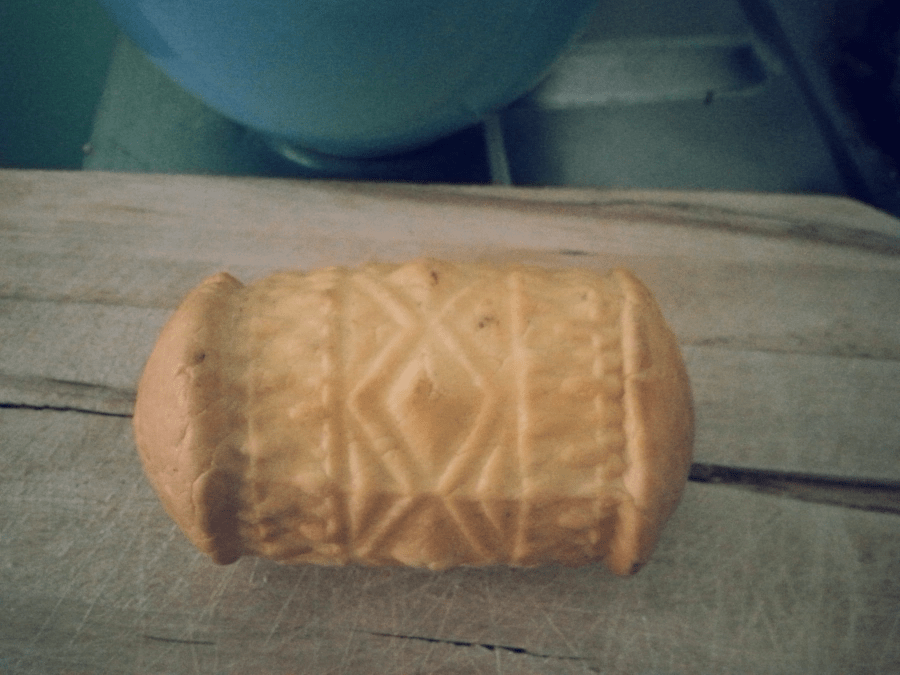
Oscypek is a smoked cheese that’s local to the Tatra Mountains in southern Poland. It’s made from salted sheep’s milk and pan-fried for that golden-brown glow. Oscypek has a very distinct taste: due to its smokiness, it has almost the taste of meat– it’s traditionally served during the holiday season and paired with cranberry jam. The cheese can only be made by a baca, a shepherd skilled in extracting the milk and producing the product– in the end, it becomes a beautifully-designed (and delicious) work of art.
5. Babka

For something sweet, babka are worth satisfying that craving. Originally from the Jewish communities in Poland, they are made from yeast and baked into a fluted pan that resembles a grandma’s skirt. Babka have been around since the early 19th century, created by rolling up extra challah dough and baked with cinnamon, chocolate, or even Nutella. They’ve become so popular that they’re even used in Easter celebrations. Babka have grown widespread throughout the world, and they’re perfect for that sweet tooth!
6. Zapiekanka

Zapiekanka is an open-face sandwich that’s sold as street food in Poland. It’s made from half a baguette, then topped with all sorts of ingredients, including ham, cheese, and mushrooms. Zapiekanka has been around since the 1970’s, created by small family businesses in food trucks– although its popularity has dwindled in recent years, there are still a few surviving businesses who continue to make and sell it. I find it a fast and easy dish to eat on the go– I can imagine it’s the perfect drunk food to have after a long night out.
7. Kielbasa
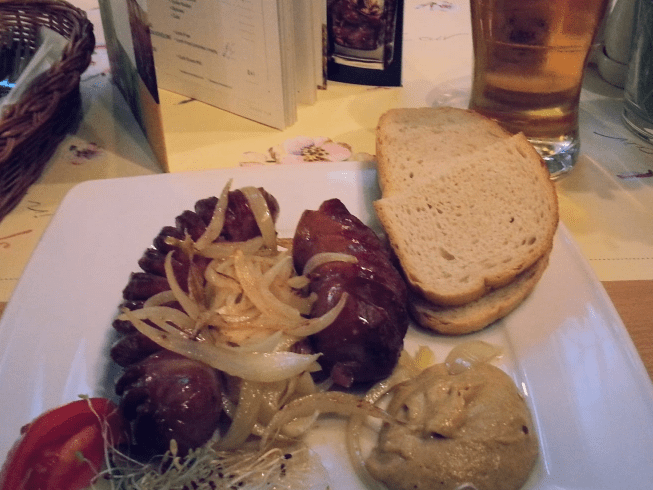
Popular even outside of Poland, kielbasa is a type of sausage made from any sort of meat, whether beef, lamb, pork, or turkey. It’s most-commonly associated as being U-shaped, although they aren’t necessarily all U-shaped. This sausage is served and prepared in a variety of ways, whether added to soups and stews or simply eaten paired with fried onions and sauerkraut. Kielbasa can be served warm or cold, and it’s certainly a versatile dish to be enjoyed at any time of day for any occasion.
8. Vodka

Now, vodka (or “wódka,” in Polish) is closely associated with Russia, but in fact its origins are debatable. There’s speculation that it actually originated from Poland in the early 1400’s, initially made for medicinal purposes. Polish vodka tends to be made from potatoes, whereas the Russian version comes from grain, since potatoes don’t grow well in the latter’s climate. Regardless, it’s a strong spirit, and it can be flavored with red currant, honey, even chocolate, for a tastier drinking experience. Na zdrowie!
9. Tyskie
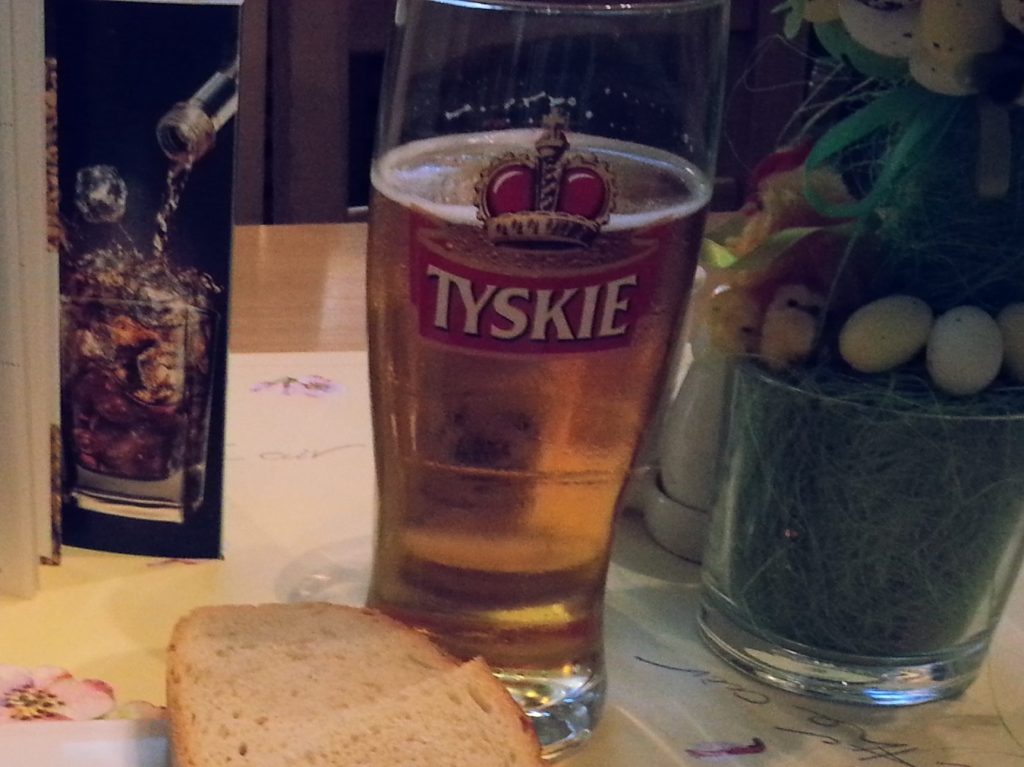
Continuing with other alcoholic drinks, Tyskie is one of the most-popular beers in Poland, with its origins tracing back to 1629. It’s a pale lager, with a dry bitterness that offers a clean and crisp taste, and it exceeds no more than 6% ABV. I’m personally not a huge beer drinker, but I did appreciate the clean taste of Tyskie while having it in Poland: I can imagine it’s the perfect pairing to kielbasa and other sorts of pub food for a hearty meal.
10. Barszcz
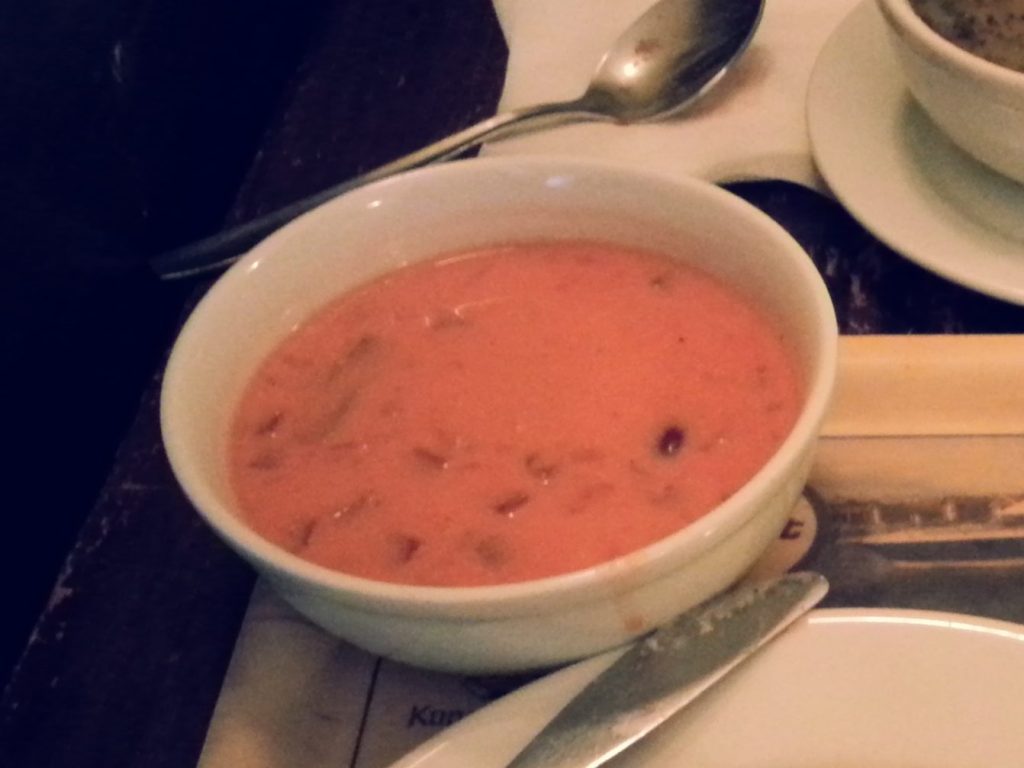
A beetroot soup, barszcz is similar to borscht that’s commonly found in Ukraine and Russia, but differentiates in how it’s prepared. Whereas borscht is made with sour cream and milk, barszcz is made without cream or milk, allowing for a thinner consistency that’s almost like a bouillon. Barszcz is also sometimes paired with uszka, which are small dumplings, and served during Christmas. It’s lighter in taste, yet a cozy dish to have, especially in the wintertime during the holiday season.
Which dish would you try? Let me know! Thanks for reading. 🙂
— Rebecca

 Rebecca Goes Rendezvous
Having visited Poland many times I’m quite acquainted with the local cuisine especially the dumplings. I haven’t tried everything on your list yet so will look out for others on future visits.
LikeLiked by 1 person
Pierogies are absolutely delicious and a well-known Polish dish around the world. Hope you can try other dishes during your next trip to Poland!
LikeLiked by 1 person
I would be keen on trying out the Polish dumplings, given that they have a vegetarian version. They also have a very nice apple pie with a buttery crust that’s often topped with meringue or crumbles. Latvian cuisine actually shares significant similarities with Polish cuisine, largely due to a shared reliance on hearty staples, a history of overlapping regional influences (German, Slavic), and similar cool-climate ingredients. Thanks for sharing, and have a good day 🙂 Aiva axx
LikeLiked by 1 person
Indeed! There’s a lot of cross-over with other Central and Eastern European cuisines, Latvian included. I’ve also had Latvian food and noticed the similarities it has with Polish cuisine. All very hearty and so delicious! 😋
LikeLike
Grew up on gołąbki and learned to make these from my Italian mother who cooked them for my Slovak father!
LikeLiked by 1 person
That’s really cool! Gołąbki is one of my favorite Polish dishes, and I’m glad you learned how to make them 🙂
LikeLike
The sheep’s milk cheese looks very attractive and delicious. Your photos make this menu look very tasty.
LikeLiked by 1 person
Yes, the design is very pretty, all the while very yummy! Definitely one of the most-unique cheeses I’ve tried so far 🙂
LikeLiked by 1 person
PS How does one pronounce: barszcz? I’d like to buy a vowel please ; )
LikeLiked by 1 person
Haha, I have no idea as well! The Polish language is certainly a challenging one 🙂
LikeLiked by 1 person
It’s pronounced similar to the more common borsht. 😊
LikeLiked by 2 people
Thanks very much for the pointer.
LikeLiked by 1 person
Having spent several months in Poland on assignment, I had the opportunity to try several restaurants, not always traditional ones. Overall, the cuisine is hearty. Pierogi were definitely my favourite, and I eventually came up with my own selection of favourite fillings, which I have now completely forgotten.
LikeLiked by 1 person
Pierogis are delicious! All the better that they can be served sweet, savory, or both. It’s really cool you got to live in Poland for an extended period of time, to sample all the good food in the country!
LikeLiked by 1 person
I only learned more about Polish cuisine in recent years as I’ve been trying Ukrainian dishes in Jakarta and Hong Kong. I read that there are a lot of similarities between the two, so I can kind of imagine how the Polish version would taste. I did notice though that Polish do like their berries! There was a time when I was traveling in eastern Indonesia I met this Polish man who added strawberry jam on his fried egg. It was quite an unusual sight at first!
LikeLiked by 2 people
There are many similarities in Polish and Ukrainian cuisines, so you’ve probably had some variation of a Polish dish. Jam with egg is definitely an uncommon combination, but I can see it being a sweet-savory kind of deal. Hope you can try more Polish food when the opportunity comes!
LikeLiked by 2 people
Fried egg + jam, this is not a typical Polish food combo 😉 😀
Once I was served a thick omlette with jam (in some breakfast place in Slovakia) – it was surprisingly good 🙂
LikeLiked by 2 people
I guess that Polish guy just really loved his jam. 😀
LikeLiked by 2 people
😀
LikeLiked by 2 people
Tried a number of these dishes over the year but not the tripe soup. I don’t care for tripe.
LikeLiked by 1 person
That’s fair! Tripe is an acquired taste.
LikeLiked by 1 person
Absolutely
LikeLiked by 1 person
Tasty selection, Rebecca! I’m happy that you enjoy Polish food 🙂
LikeLiked by 1 person
Thanks, Agata! Polish cuisine is top-tier 🙂
LikeLiked by 1 person
I tried some of these while in Krakow. Loved pierogi. And there’s a balkan dish called sarma which is similar to golabki
LikeLiked by 1 person
Yes! I love sarma, too. All delicious!
LikeLiked by 1 person
I have never tasted Polish food and seeing these make my mouth water. I’m especially intrigued by the sweet or savory Pierogi and the beetroot soup.
LikeLiked by 1 person
Pierogis are so delicious and versatile! The beetroot soup wasn’t my favorite, but it’s definitely worth a try 🙂
LikeLiked by 1 person
I’ve tried several of the dishes since my cousin’s partner is from Poland. The dumplings are particularly delicious and can be made without meat. Nice post, Rebecca!
LikeLiked by 2 people
Yummy! Pierogis are delicious, and all the better they can be made vegetarian. Polish food is so good!!
LikeLiked by 1 person
I’m happy this post made it out of drafts because I previously knew nothing about Polish food. I’d try every single thing you listed, everything looks delish. 🙂
LikeLiked by 1 person
Thanks, Elle! This post had been years in the running, and I’m glad I finally had the opportunity to publish it! I hope you get to try some Polish food close to home!
LikeLiked by 1 person
I am 25% polish, maybe I’ll make it there one day. I’ve not tried many of these except for kielbasa, pierogi, babka, and vodka. Not doing my roots proud haha.
LikeLiked by 2 people
Perhaps the next trip is to Poland? The cuisine is hearty and delicious, and I hope you get to try more dishes in the near future!
LikeLike
Richard is Polish so we’ve been several times, and also buy Polish food in our home city. I find Oscypek too salty, and have never, and will never try flaki 😊 Maggie
LikeLiked by 1 person
Nice that you know a thing or two about Polish cuisine, thanks to your partner! Oscypek and flaki are definitely acquired tastes, but there are so many other Polish dishes that are more-palatable and delicious!
LikeLiked by 1 person
I love Polish food too – I could eat pierogi all day!!!
LikeLiked by 1 person
Pierogis, for the win! Sweet or savory, they’re all delicious 😋
LikeLike
I haven’t heard of a lot of these dishes. Pierogi and babka I have heard of (and tasted). Please tell me you’ve seen the chocolate babka episode of Seinfeld. 🙂 That was actually the first time I heard of babka.
LikeLiked by 1 person
I don’t remember if I’ve seen the Seinfeld babka episode, but I’ll look it up! Babka is delicious, and one of my fiancée’s favorite treats!
LikeLiked by 1 person
Do look it up. It’s hilarious.
LikeLiked by 1 person
I love pierogies and have enjoyed other Polish dishes when visiting the country, but some of these are new to me. I can’t imagine having a draft post sitting around for five years – I think I’d forget all about it 😀
LikeLiked by 1 person
Polish cuisine is delicious, and I’m glad you’ve had some of the dishes during your visits to Poland! Honestly, I have so many drafts going back YEARS that I’ve yet to finish writing, let alone publish…all the while catching up with my travels from a year ago! 😆
LikeLiked by 1 person
I have visited several times Poland but ate their food first in NJ I was in the town of ZPA the Polish Congress of America and played soccer/football with many of them there in Perth Amboy NJ Thanks for the memories of always! Cheers
LikeLiked by 1 person
Glad you have fond memories of Poland and Polish food in the US!
LikeLiked by 1 person
I love babka and kielbasa. The cheese looks interesting, so I’d try that! Thanks for sharing your favorites, Rebecca!
LikeLiked by 1 person
Yum! Babka and kielbasa are so tasty, and all the better to have them in the same meal! Thanks for reading, Darlene 😊
LikeLiked by 1 person
Yummy! I’m very hungry now. This post is serendipitous… I’ve been tempted by babka and frozen pierogis lately at Whole Foods and Kroger. I think I need to indulge 🙂
LikeLiked by 1 person
I think you do! Let me know how the grocery store equivalents taste!
LikeLiked by 1 person
When I read the title of your post, the first thing I thought about was pierogi, and it was the first thing you talked about! I always think of them as similar to Chinese dumplings. They even look like Chinese dumplings sometimes, like the ones in your photo. It’s nice that there are sweet and savoury pierogies, quite the variety for the palate. I read the smoked cheese Oscypek with lot of interest. Never knew cheese could taste close to meat. Sounds like something you eat with bread. As you said, it really looks like a work of art. Good to admire, and also good to taste.
LikeLiked by 1 person
Indeed! I think when most people think of Polish food, they think of pierogis. Absolutely delicious and a nice iteration of a Chinese staple. Polish food is hearty and comforting, and it’s one of my favorite cuisines out there! Thanks for reading, Mabel 😊
LikeLiked by 1 person
Eastern European food is filling and tasty. Love it! Except I would pass on the tripe lol!
LikeLiked by 1 person
Tripe is an acquired taste, that’s for sure! I love Polish food, and I’m glad you like it, too, Andy!
LikeLike