The following few days after our day in Guatemala were fairly lax, despite covering three countries over a span of three or four days. Truth be told, we only spent half days in Nicaragua, Costa Rica, and Panama, as we were in the process of heading through the Panama Canal and into the Atlantic Ocean. Even though we didn’t do much in these three, small Central American countries, at least glimpse of them were better than nothing.
Nicaragua

Likewise with other Central American countries, I didn’t have much knowledge about Nicaragua before our cruise ship docked for the day. All the same, I went in without any expectations, and I let the half-day tour we took present us what the country had to offer for us.
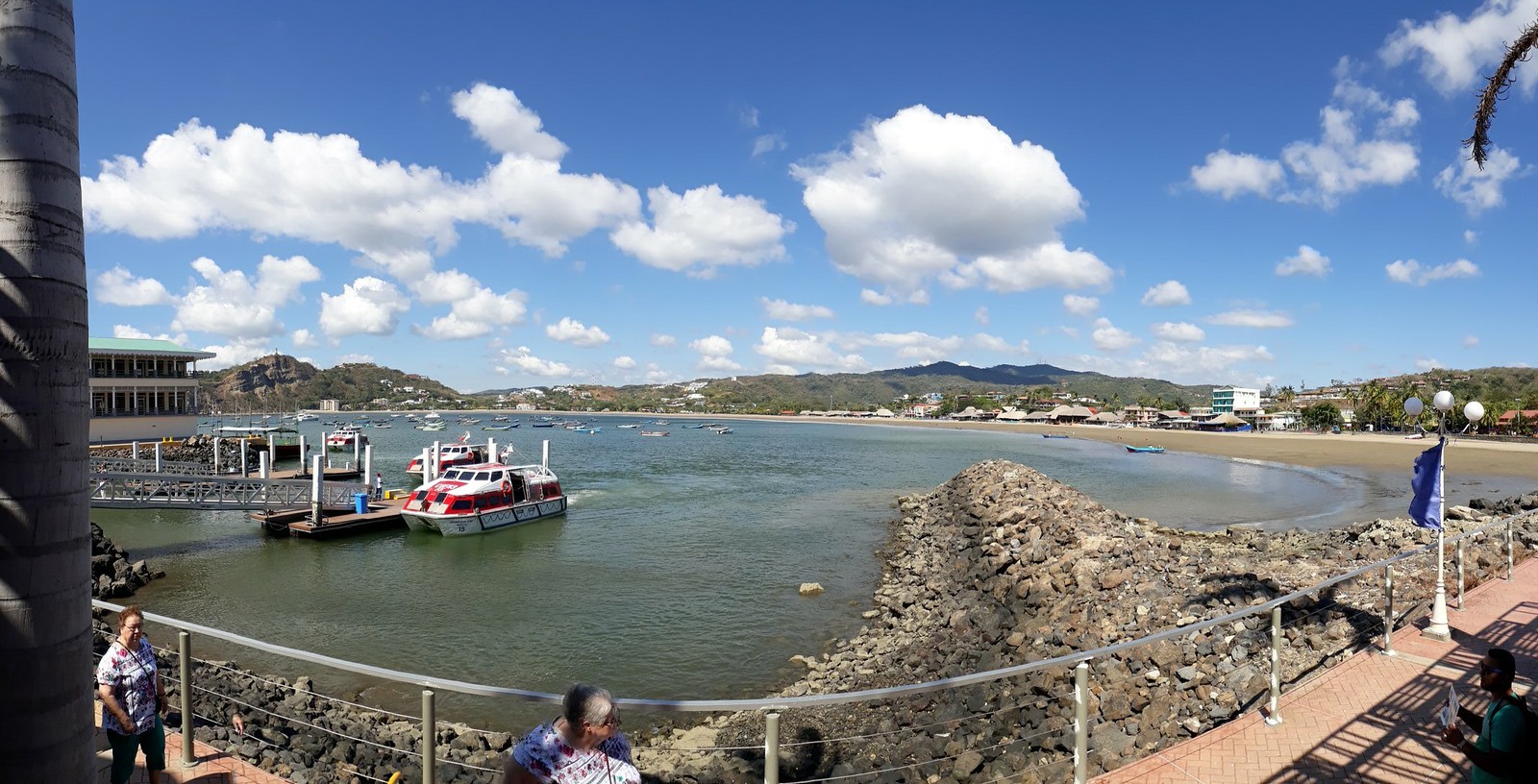
We were immediately hit with warm, humid heat as soon as we stepped off the ship’s tender and onto the dock of San Juan del Sur, a port city. We had some time to check out the souvenir shops at the dock’s entrance, as well as the views of the harbor and landscape in the background. I could see the Christ of the Mercy statue in the distance, and the sights of the sunny dock and rolling hills provided decent photos to take.
Our tour actually ended up starting over 25 minutes late, for the coaches that were to pick us up were running behind schedule: there had been guided tours that morning (we visited in the afternoon), and the coaches were late getting back to port for the second tour group of the day. Although it was a bit of a wait, we still got the full experience of seeing the country, on-time or not.
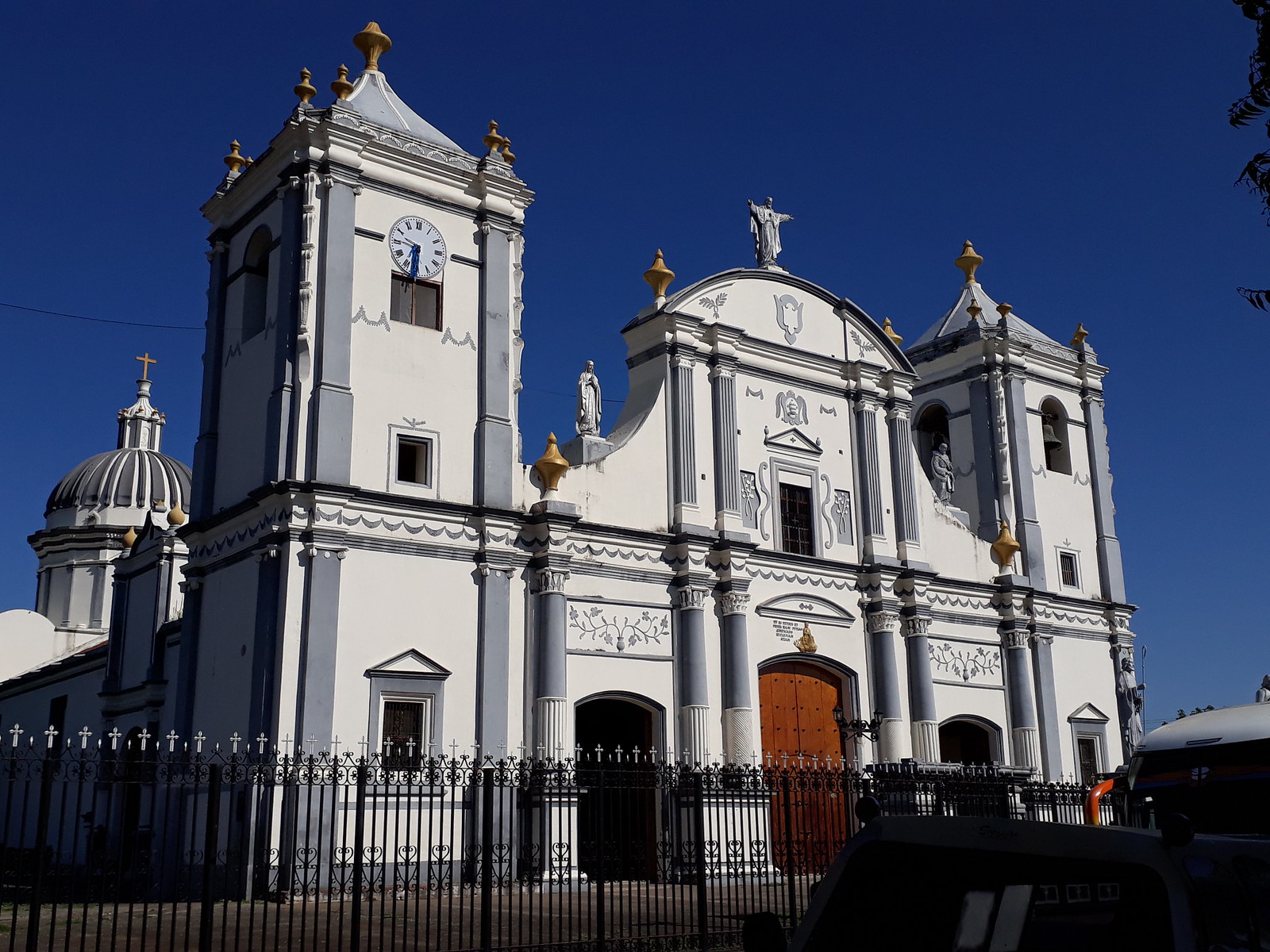
The visit began with a drive through the lush, tropical countryside. We soon enough pulled into Rivas, a city in the southwestern part of Nicaragua. Its atmosphere reminded me a bit of Antigua, which we’d just visited a day or two prior, as the city had remnants of its Spanish colonial past through the architecture. We only spent perhaps half an hour in Rivas, and it was merely to visit the Iglesia Parroquial de San Pedro, a church made out of wood inside. It’s also known for its faded, but silver fresco just above the altar– although much of its opulence is gone, I could imagine that it looked fantastic centuries ago!

Following our visit in, we headed out into the countryside once more before stopping by a hacienda for leisure time. At least in Nicaragua, haciendas are sort of “resorts” for travelers who hope to escape from work and into a rural oasis for warm weather, good food, and lovely sights. Apparently, they aren’t too expensive in Nicaragua, and besides having a comfortable place to stay, some haciendas also have workers who can cook for you! Talk about paradise, for some people…
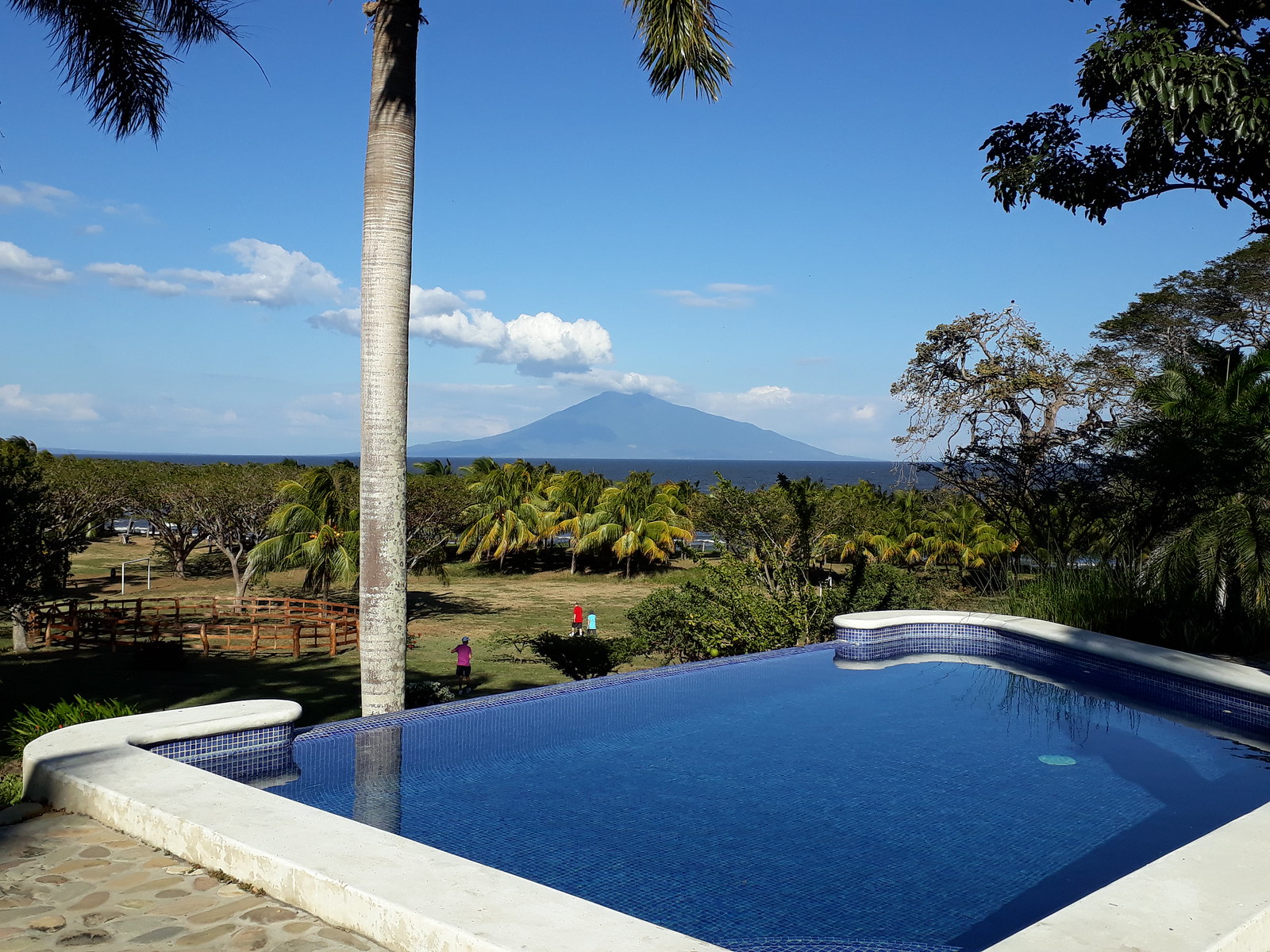
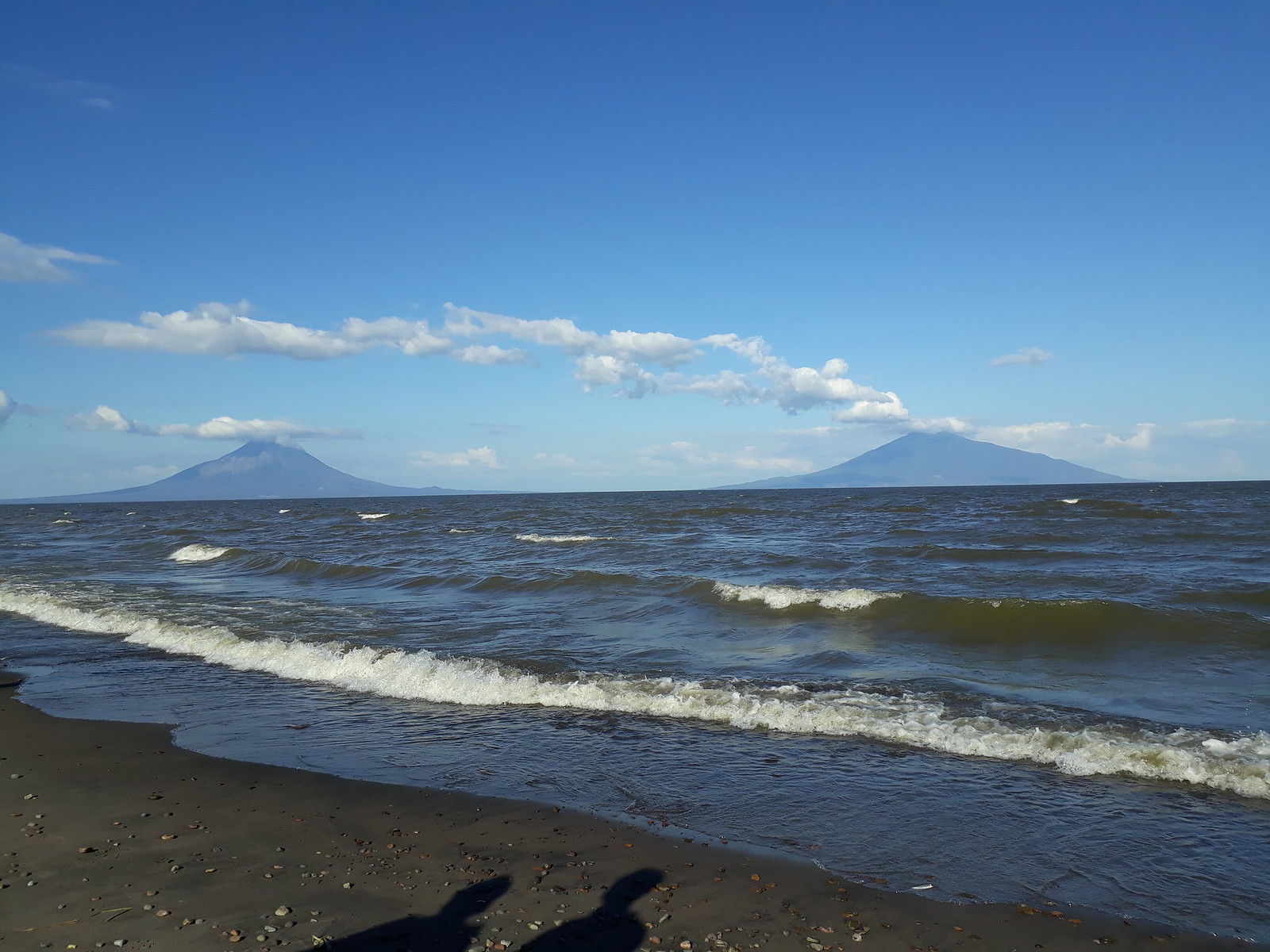
The hacienda we visited offered some refreshments (fruit, water, etc.), as well as views of Lake Nicaragua, with its shores being just a five-minute walk away. With a size of just over 8200 squared kilometers, Lake Nicaragua is so large that one might mistaken it for the Pacific Ocean (which is just 15 miles away). We could also see two volcanoes, Concepción and Maderas, in the distance, which goes to show that Nicaragua, along with Guatemala and Costa Rica, is an incredibly volcanic country. While not exactly safe all the time, its geography looks gorgeous!
Soon after, we made the drive back to San Juan del Sur, where we ended our tour. Although we didn’t necessarily do much in Nicaragua, I actually enjoyed it. The tour itself was laid-back, which I don’t usually find in such excursions, but just getting the vibes of the country were what I appreciated.
Costa Rica
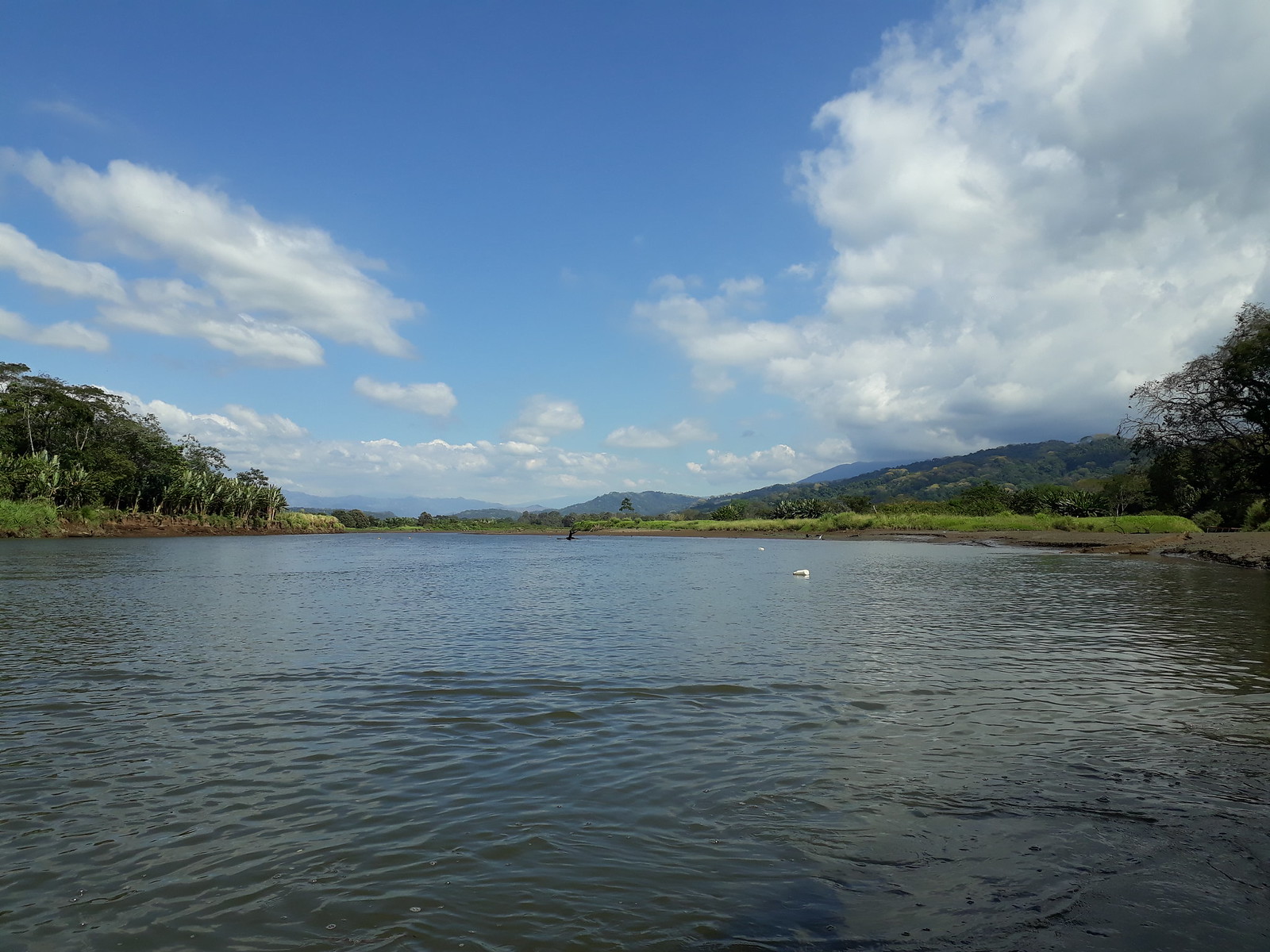
If there’s one country that’s the most popularly-visited in Central America, it would have to be Costa Rica. Literally called “the rich coast” in Spanish, this country is known for its tropical rainforests, diverse wildlife, and of course, its strong coffee. It’s also the most-developed Central American country, with plenty of tourists, exchange students, and even start-up tech businessmen flocking in each year.
Our cruise ship docked in Puntarenas, and then we began our visit with a short train ride through the swampy territories of the country. We rode on a historic train that’d been refurbished for tourism, which reminded me a bit of the Sagano train in Kyoto. However, the one in Costa Rica didn’t quite live up to my expectations, for the ride was short, and it ended up bringing us back to where we started, anyway. It felt more like an amusement park ride than an actual piece of transport, but I can’t say anything else otherwise.

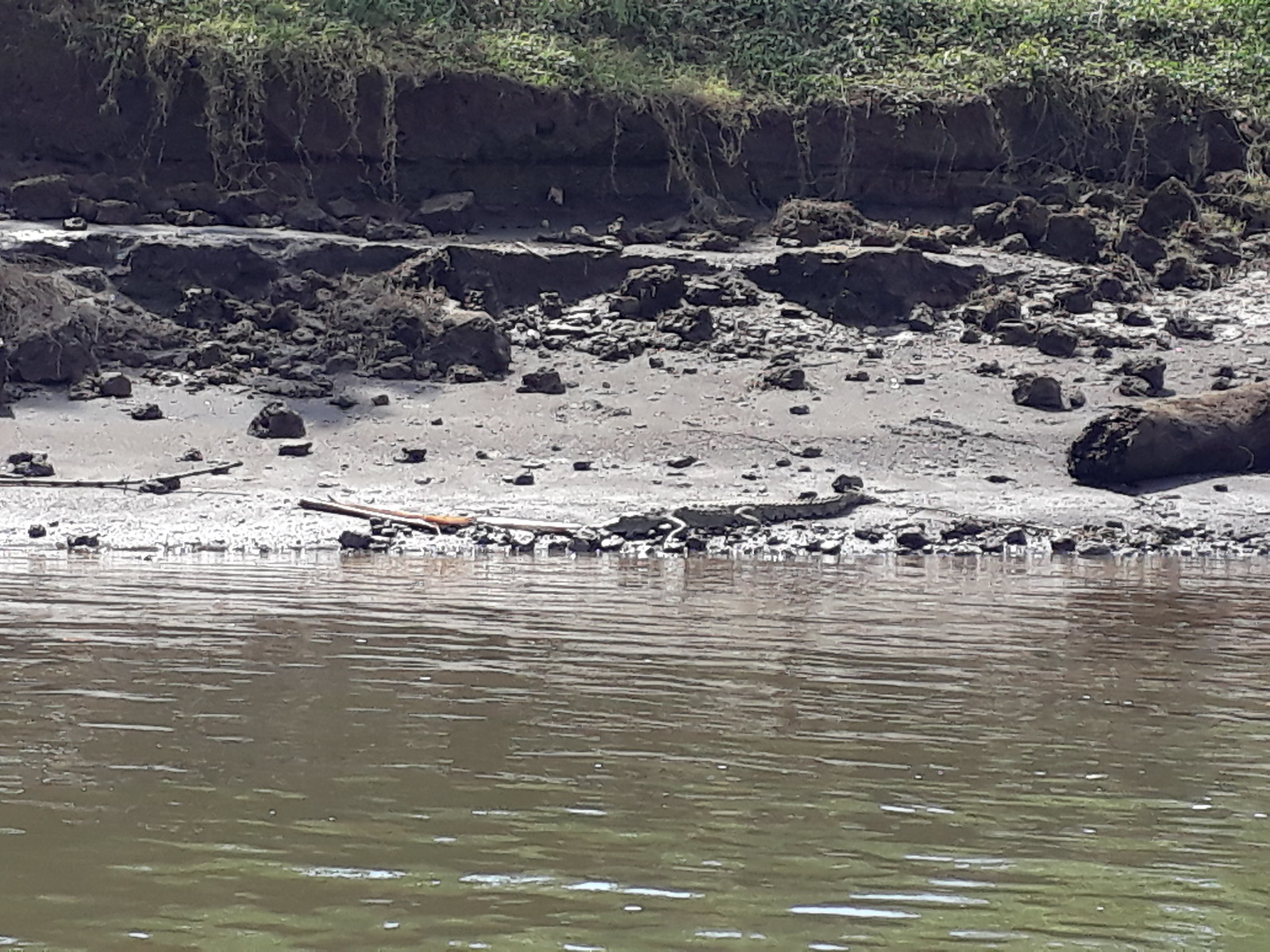
We continued our visit on the coach to the docks of a small bay, where we hopped on a boat for a scenic ride to spot wildlife. Since Costa Rica is known for its rich, wildlife diversity, we got to see plenty of animals that are native to the country, including crocodiles, Howler monkeys, and storks. The crocodiles themselves were actually quite tiny, and our tour guide said that they aren’t actually dangerous…as long as you don’t provoke them!
Returning to shore, we were shown a short Costa Rican traditional dance before having some time to buy souvenirs at the shop. We soon boarded our coach, which took us back to the port. Overall, I wasn’t too enthralled with the tour, as we really didn’t see that much, but considering its travel-friendly and touristy statuses, I might consider returning to Costa Rica to explore more on my own.
Panama
While I technically didn’t step foot on Panama itself, I did cross its canal, which in of itself counts as having visited the country (sort of). Although I’d learned about the Panama Canal while taking U.S. history in high school, I admit that I hadn’t known much about how crossing it worked.
The Panama Canal first came into fruition during the late 19th century, when the French started off the project of constructing a canal that would allow ships to go from the Pacific to the Atlantic Ocean faster. Prior to its construction, ships would’ve taken almost a month to go around the southern tip of South America and onto Europe– today, it only takes 10 hours. However, the U.S. took over the project in 1904, and it was officially completed and opened to the public in 1914. Today, it serves thousands of ships– big and small– and it’s considered one of the best engineering innovations in modern history.
As for how it works, the Panama Canal consists of three sets of locks: Miraflores, Pedro Miguel, and Gatun. When a ship enters a lock, it’s put on a standby as the water is either added or drained in order to match the water level on the other side of the lock. Once that happens, the ship is allowed to continue through the canal. Besides making it safe for ships to cross, these locks are also security checkpoints to ensure that nothing bad goes through the other side of the ocean.
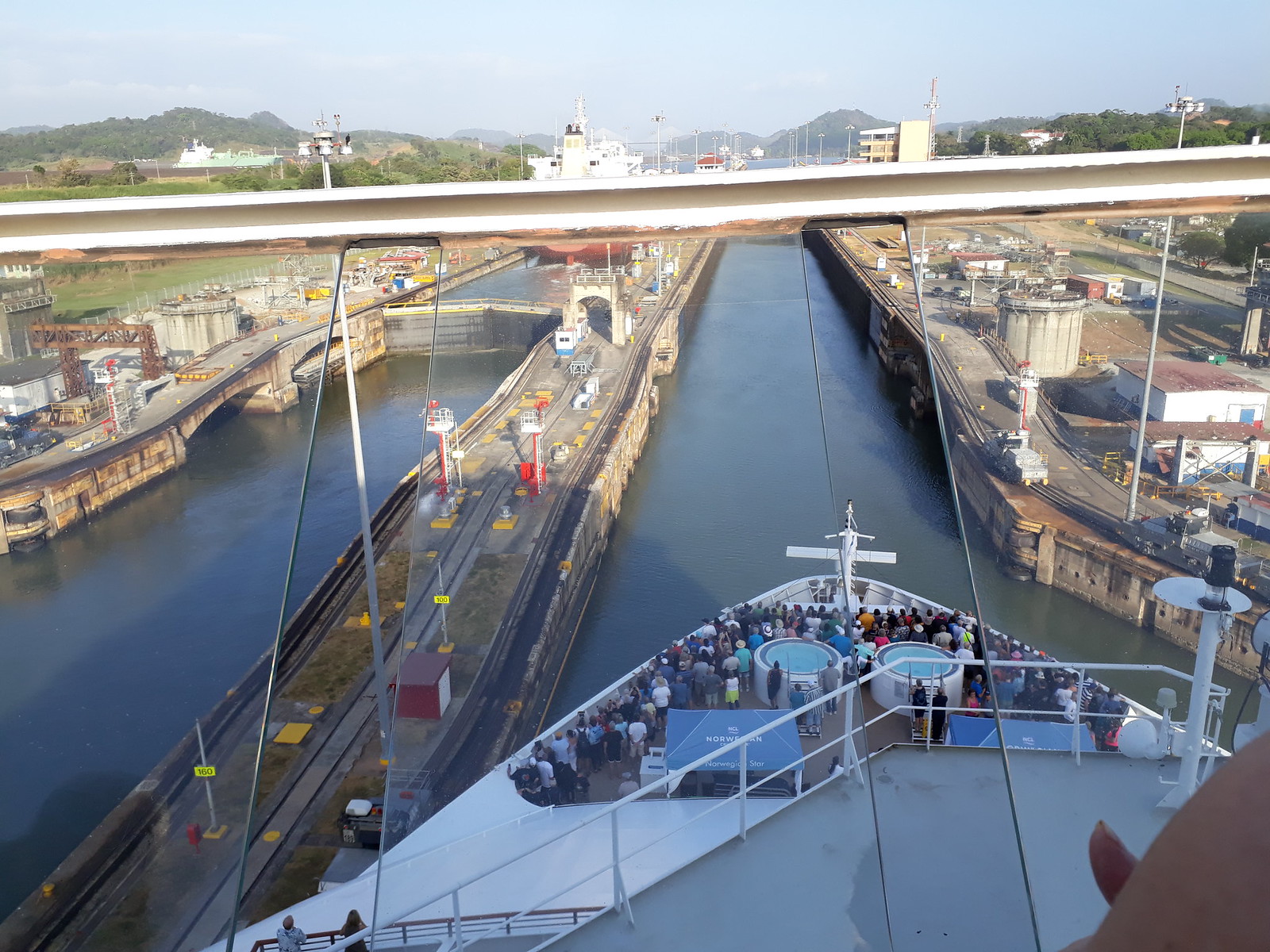
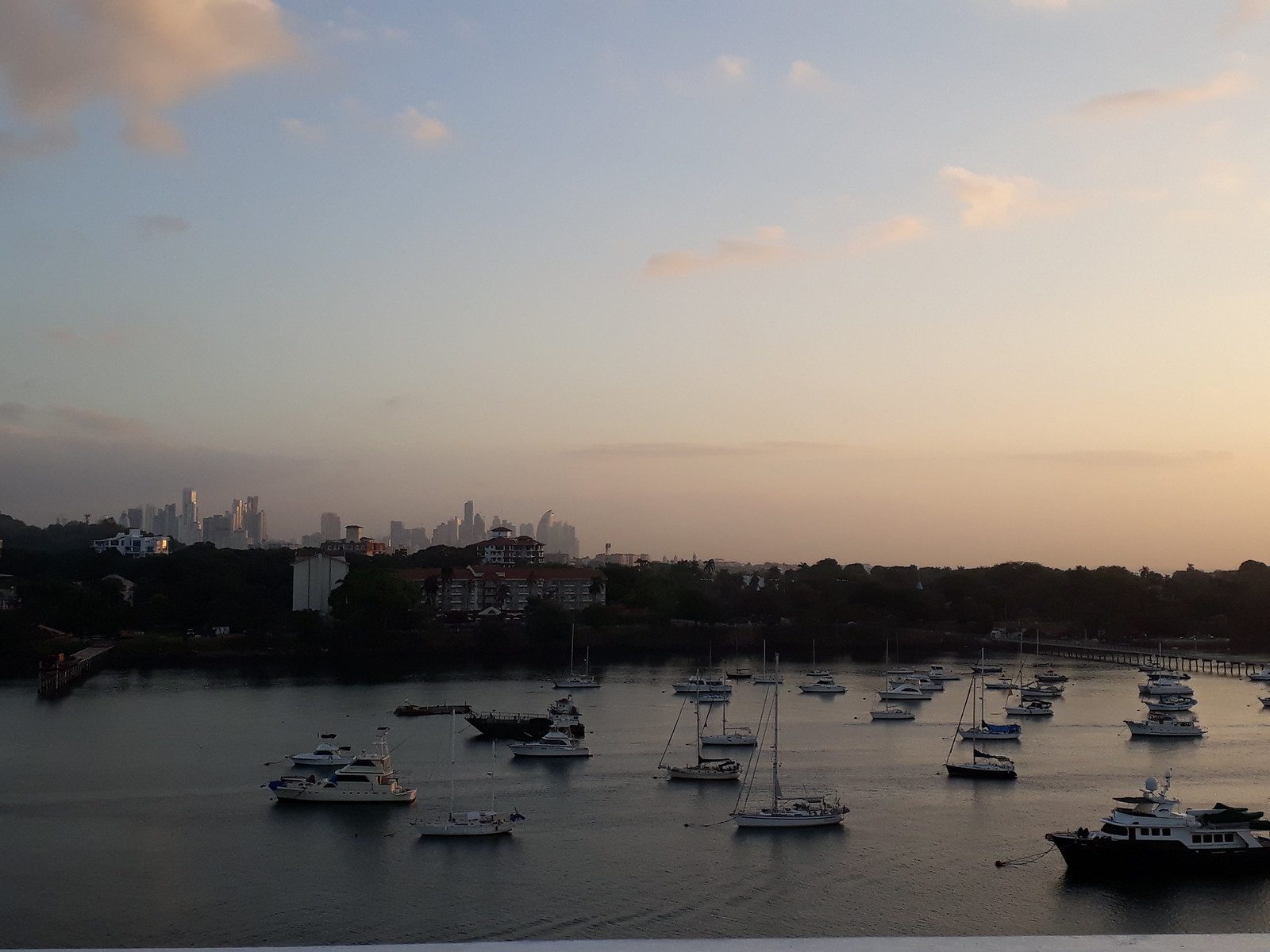
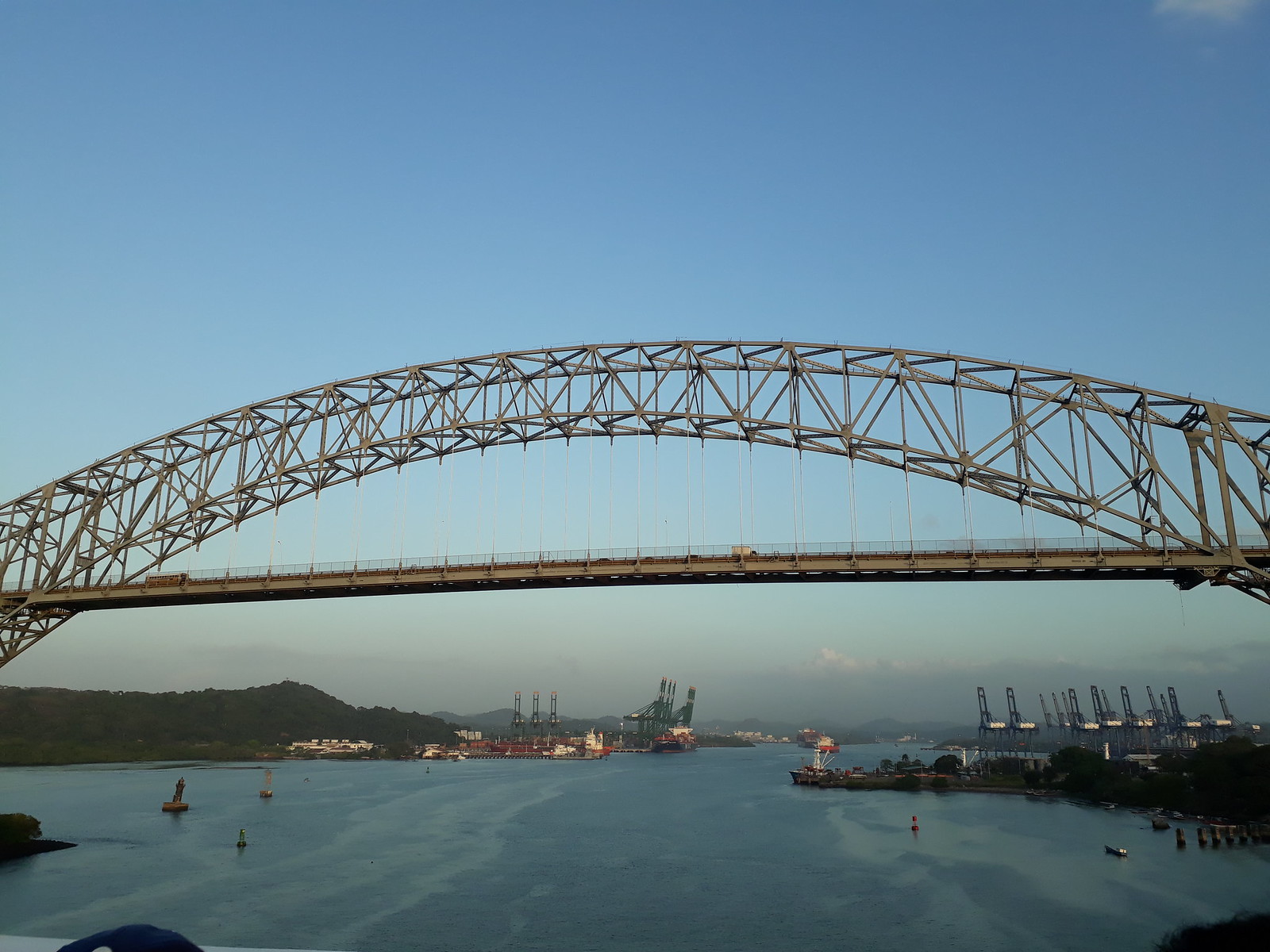
Our cruise ship arrived at the start of the Panama Canal sometime at 7 in the morning. I woke up early to catch our ship cross under the Bridge of the Americas, which offers the Pacific entrance to the canal. I also caught a glimpse of Panama City in the distance, with its skyline surprisingly urban like that of Miami, New York, or Los Angeles. The sunrise was also a pleasure to watch, especially before the day got hot and humid again.
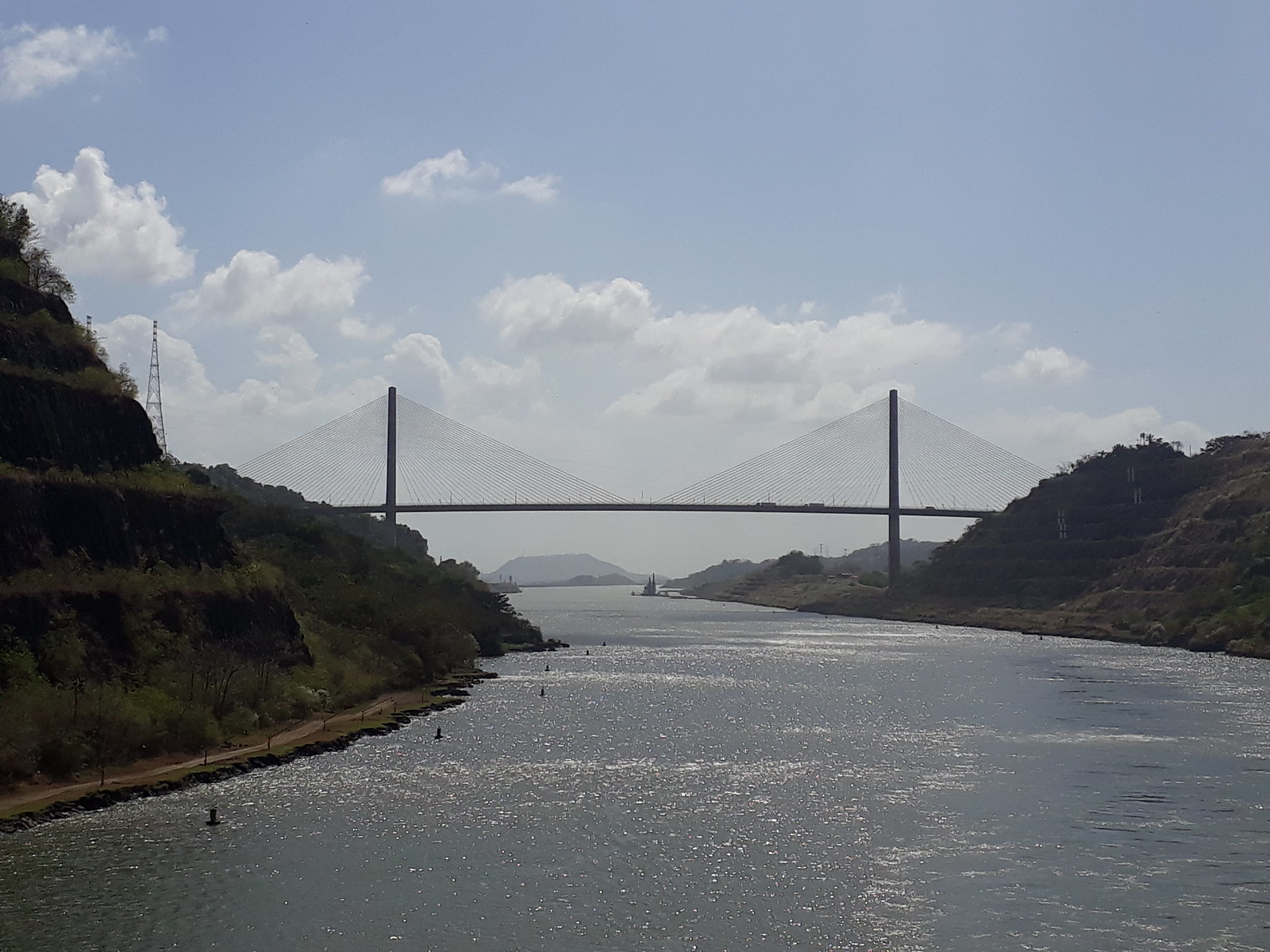
We spent the entire day passing through the Panama Canal slowly. My family and I went about our day as usual (and by “usual” enjoying the cruise’s facilities, e.g. food, entertainment), stopping every once in a while to check out our ship’s progress in the crossing. By 14h00 or so, we exited the canal to continue on our way to the next destination of our itinerary. Although it wasn’t the usual sightseeing that one does in a new place, it was interesting to experience the crossing first-hand, and I do have an appreciation for how technology has evolved over the centuries to make travel such a convenience nowadays.
We are leaving Central America behind, and ending the adventure in South America. In the next post: Cartagena, Colombia!
— Rebecca

 Rebecca Goes Rendezvous
Lake Nicaragua looks beautiful! And with the volcano in the distance, it’s like something from a fantasy novel.
LikeLiked by 1 person
The lake certainly was beautiful! Really the definition of paradise (in January, too)!
LikeLike
Great photos. I rode that train in 1988, when it went from the Costa Rican capital to the coast, Puerto Limón. It was a beautiful ride. I remember there was an earthquake which broke up the tracks in the 90s and it was too far gone for them to salvage; too expensive to fix.
LikeLiked by 1 person
The train ride was short, but scenic! I didn’t know that the tracks broke in the 90’s– guess it was a bit of history while on the ride!
LikeLiked by 1 person
How beautiful!! What a fun trip! I loved my visit to Costa Rica, although we stayed for more than a week. It’s definitely worth a re-visit if the train ride left you underwhelmed.
LikeLiked by 1 person
I agree with you! I hope to return to Costa Rica some day and give it another try. 🙂
LikeLike